Women's Nutrition Guide
Explore evidence-based recipes, meal plans, and nutritional guidelines designed specifically for women's health at every life stage.
The information on this site is for educational purposes only and does not constitute medical advice. Always consult a qualified healthcare professional before making health decisions.
Explore by Category
Featured Recipes & Guides
Discover nutrient-dense recipes and practical nutrition guidelines tailored to support women's wellness, energy, and vitality throughout every season of life.
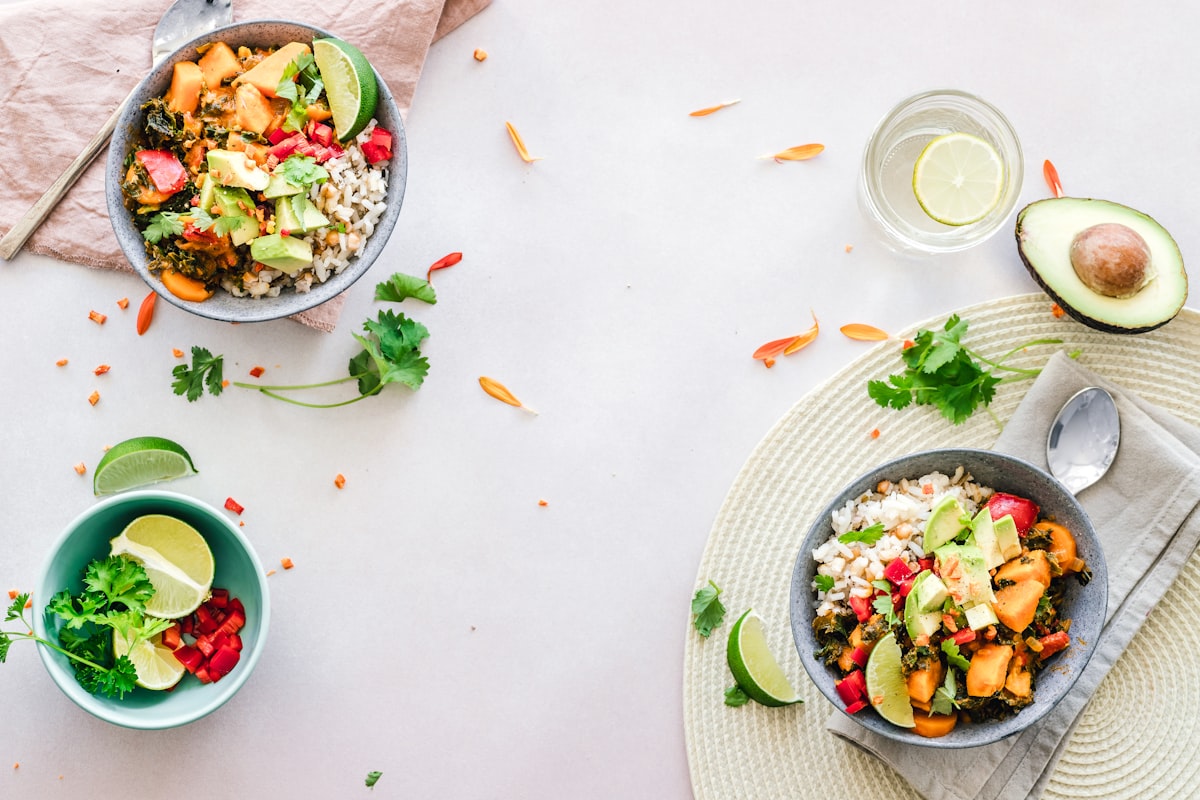
Iron-Rich Breakfast Bowl
Start your morning with a nutrient-packed breakfast featuring dark leafy greens, legumes, and whole grains. This recipe supports energy levels and addresses common nutritional gaps in women's diets.
Read Recipe →
Calcium-Fortified Lunch Plate
Combine leafy greens, dairy or plant-based alternatives, and omega-3 sources for a balanced midday meal. This guide helps you build lunches that sustain energy and support bone health.
Read Recipe →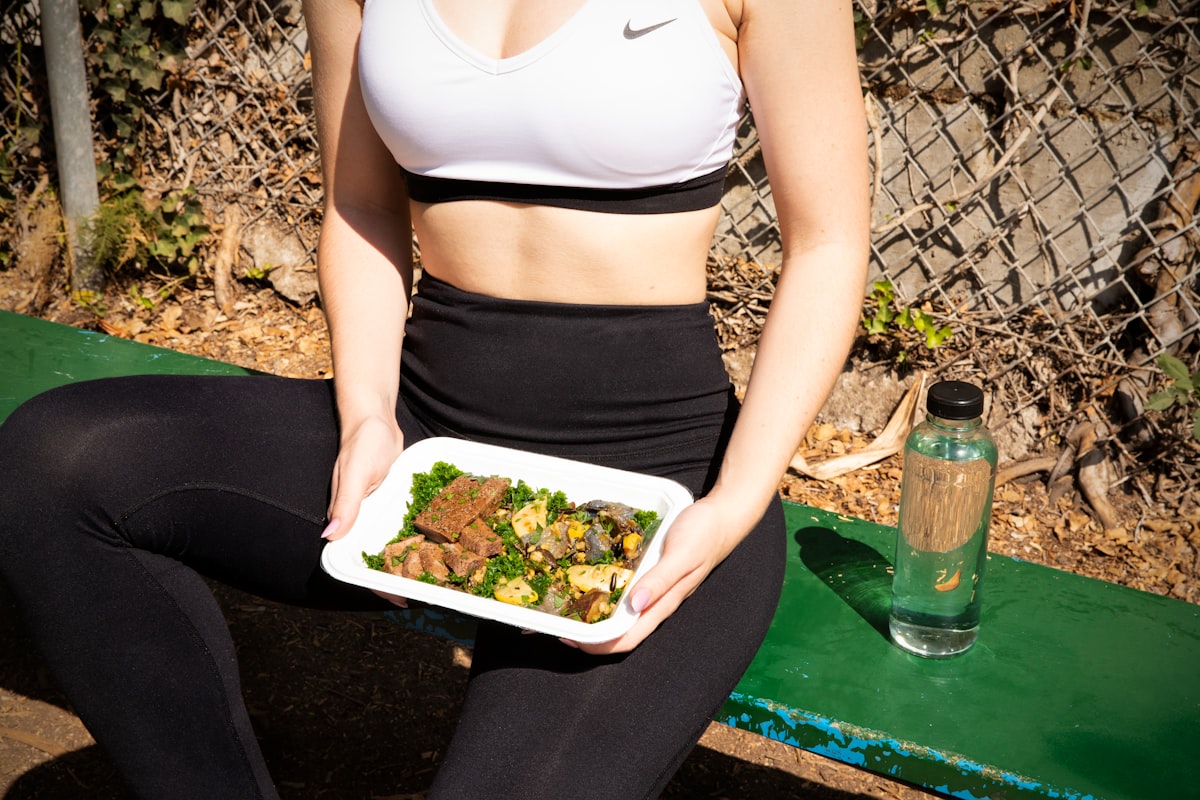
Hormone-Balancing Dinner
Incorporate foods rich in phytoestrogens, vitamin B6, and magnesium to support hormonal equilibrium. Learn how to prepare dinners that promote restful sleep and overall wellness.
Read Recipe →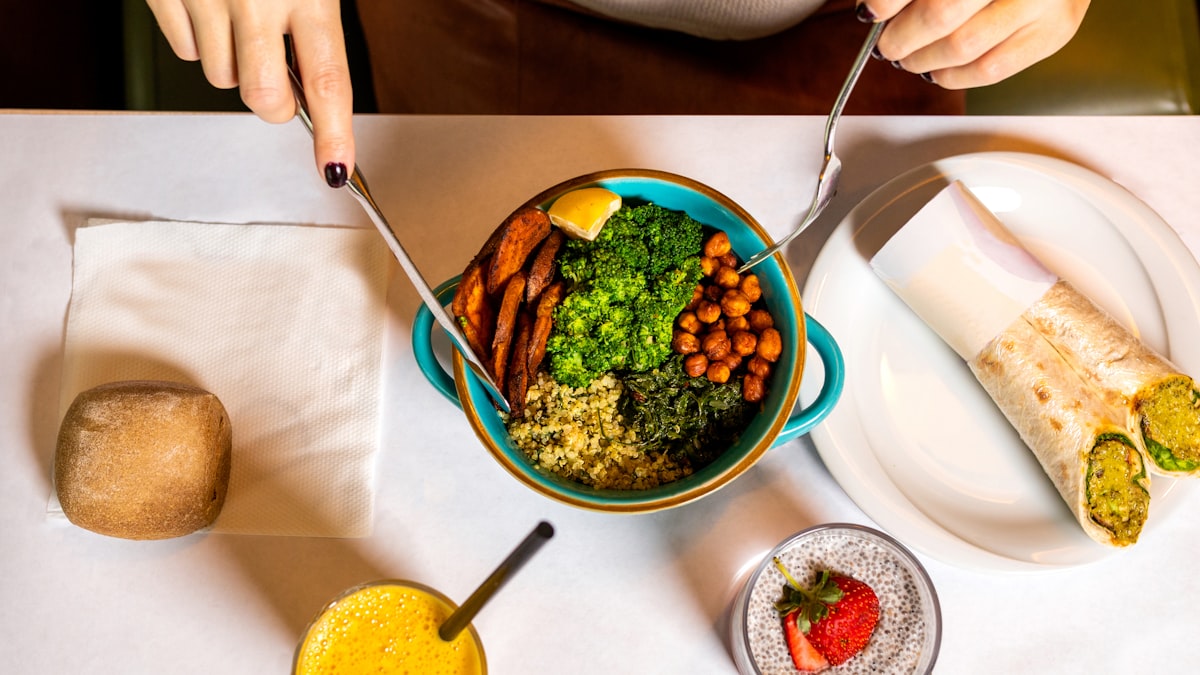
Antioxidant Snack Ideas
Explore between-meal options featuring berries, nuts, seeds, and Greek yogurt. These nutrient-dense snacks stabilize blood sugar and provide sustained energy throughout your day.
Read Recipe →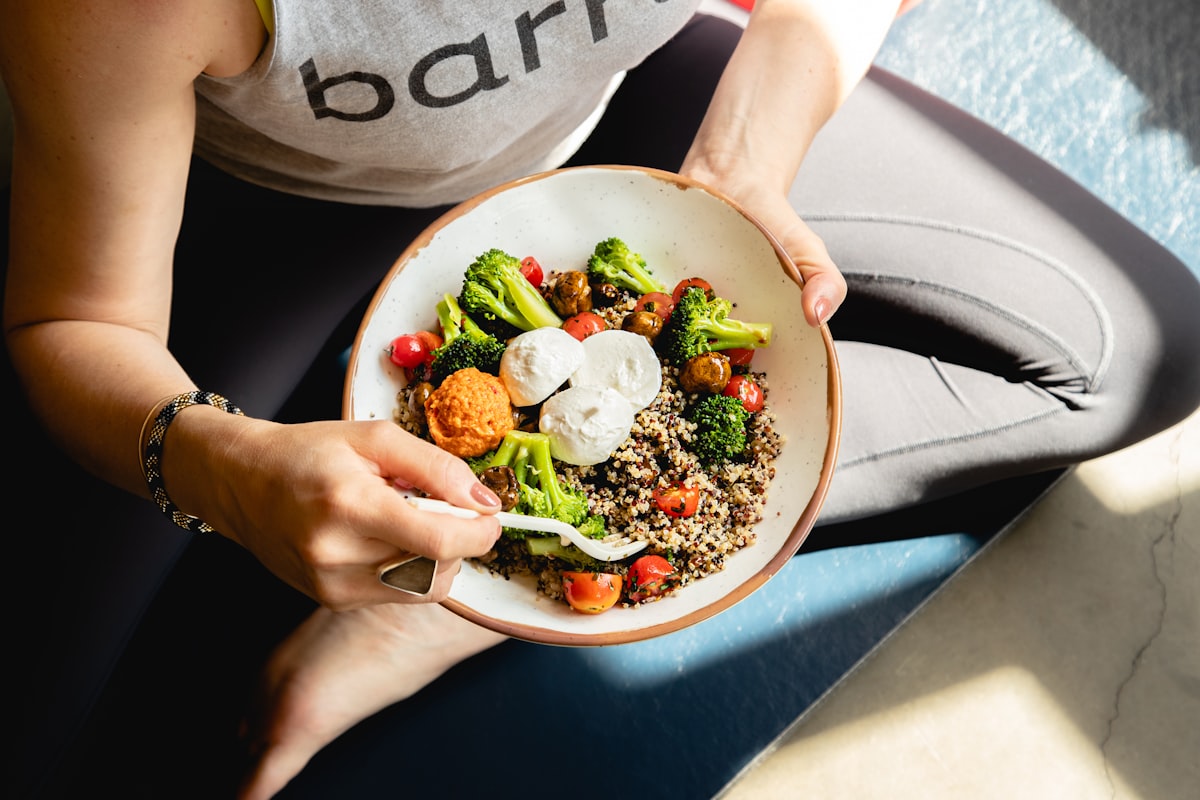
Hydration & Wellness Beverages
Discover hydrating drinks infused with vitamins and minerals. From herbal teas to smoothies, learn how proper hydration supports skin health, digestion, and overall vitality.
Read Recipe →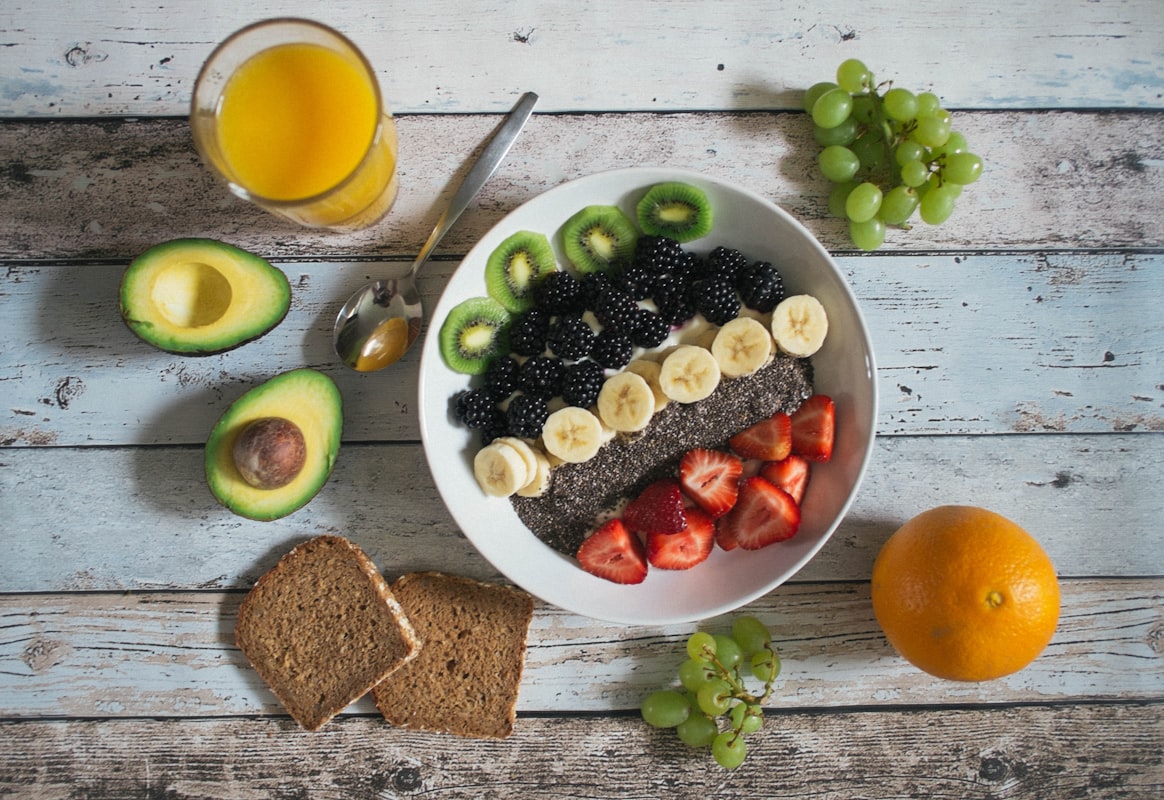
Weekly Meal Planning Guide
Learn structured meal planning strategies that ensure balanced nutrition across the week. This guide helps you organize recipes, optimize shopping, and maintain consistent wellness habits.
Read Guide →Nutritional Guidelines for Women
Women's nutritional needs vary across different life stages—from reproductive years through perimenopause and menopause. Understanding these shifts helps you make informed dietary choices that support hormonal balance, bone strength, and long-term vitality.
Our comprehensive guidelines cover essential micronutrients, protein requirements, healthy fats, and hydration strategies tailored to women's unique physiology and wellness goals.
Iron & Energy Support
Optimize iron intake through food sources and understand how nutrient timing affects energy levels throughout your menstrual cycle.
Bone Health Through Nutrition
Learn about calcium, vitamin D, magnesium, and other bone-supporting nutrients essential for long-term skeletal strength.
Hormonal Balance Through Food
Discover foods that support healthy estrogen metabolism and help you navigate hormonal transitions with confidence.
Sustainable Eating Habits
Build practical, long-term nutrition strategies that fit your lifestyle and support consistent wellness over years.

Nutrition by Life Stage
Young Adulthood (18-30)
Build strong nutritional foundations during peak bone-building years. Focus on adequate protein, calcium, and micronutrients to establish lifelong wellness patterns. This period sets the stage for long-term hormonal balance and metabolic health.
Explore Recipes →Reproductive Years (31-45)
Support hormonal cycles and manage energy fluctuations through strategic nutrition. Emphasize iron-rich foods, magnesium for mood, and omega-3 fats for inflammation management. Optimize nutrition if planning pregnancy or managing family nutrition needs.
Explore Recipes →Perimenopause & Menopause (45+)
Navigate hormonal transitions with nutrient-dense eating. Prioritize phytoestrogen-rich plants, bone-supporting minerals, and cardiovascular-protective fats. Address changing metabolism and support emotional wellness through thoughtful food choices.
Explore Recipes →Common Nutrition Questions
General recommendations suggest 0.8 grams of protein per kilogram of body weight for sedentary women. However, active women, those over 50, or those building muscle may need 1.2-2.0 grams per kilogram. Distribute protein across meals (25-35g per meal) to optimize muscle synthesis and satiety.
Quality sources include eggs, Greek yogurt, legumes, fish, poultry, nuts, and seeds. Plant-based combinations provide complete amino acid profiles when varied throughout the day.
Reader Stories
Following these recipes and guidelines, I finally understand how to fuel my body through my menstrual cycle. My energy is more stable, and I feel genuinely nourished instead of just eating to get through the day.
Sarah M.
Berlin
The meal planning guides made nutrition so much less confusing. I appreciate how the content explains the why behind recommendations, not just giving rules to follow.
Jennifer K.
Cologne
Ready to Explore More?
Discover additional articles, detailed recipes, and evidence-based nutrition information. Visit our recipe collection and editorial guidelines to deepen your nutrition knowledge.
Stories of Transformation
Hear from women who've reclaimed their health and vitality with our guidance
"I finally understand my body. The hormonal balance program has transformed my energy levels and mood. I feel like myself again!"
Sarah M.
Toronto, Canada
"The nutritional guidance was exactly what I needed. My digestive issues have resolved, and I've never felt better. Highly recommend!"
Jessica L.
Vancouver, Canada
"I'm amazed by the holistic approach. It's not just about one thing—it's about understanding the whole picture of my health."
Emily R.
Calgary, Canada
Ready to Nourish Your Health?
Join thousands of women who have taken control of their wellness. Get started with personalized guidance today.
Nourished Female Health
Empowering women with evidence-based health guidance and holistic wellness strategies.
Resources
- Blog
- FAQ
- Privacy Policy
- Disclaimer